
10. Internal models, external representations
Reflections on the evolution of mind and culture

Wild raccoons living in urban environments constantly encounter unprecedented and novel situations, necessitating the discovery of solutions to these new challenges. Their presence in urban settings has not been entirely by choice; rather, they have been inadvertently ensnared within cities like Toronto as a result of urban expansion. As demonstrated in a recent study (Stanton et al., 2024), raccoons exhibit remarkable capabilities in identifying a diverse array of solutions, positioning them as adaptable and innovative problem solvers. Considerable progress remains to be made in expanding the scope of research on ethology and the lifeworlds of various mammalian species. Despite an extensive body of existing studies, the advent of new technologies continues to unveil hidden aspects of mammalian life to researchers. The exploration of these facets consistently provides fresh evidence regarding the extraordinary problem-solving abilities of mammals—these dynamic creatures are adept at confronting and resolving unprecedented challenges.

Another study conducted on rhesus macaques, one of the most successful simian species in conquering diverse environments and living conditions, reveals a highly advanced cognitive capability: the rhesus macaque exhibits exceptional proficiency in recognizing the faces of its conspecifics. By memorizing their facial expressions and constructing internal models of these expressions, it can make reliable predictions about the subsequent actions of its peers. When observing apes, such complex cognitive abilities are even more pronounced. Among chimpanzees, for instance, one can even identify examples of ritualistic behaviours. A well-known example of a large male chimpanzee was observed on camera approaching a tree. After a brief pause and quick look around, the chimp grabbed a large rock and threw it at the tree trunk with great force.
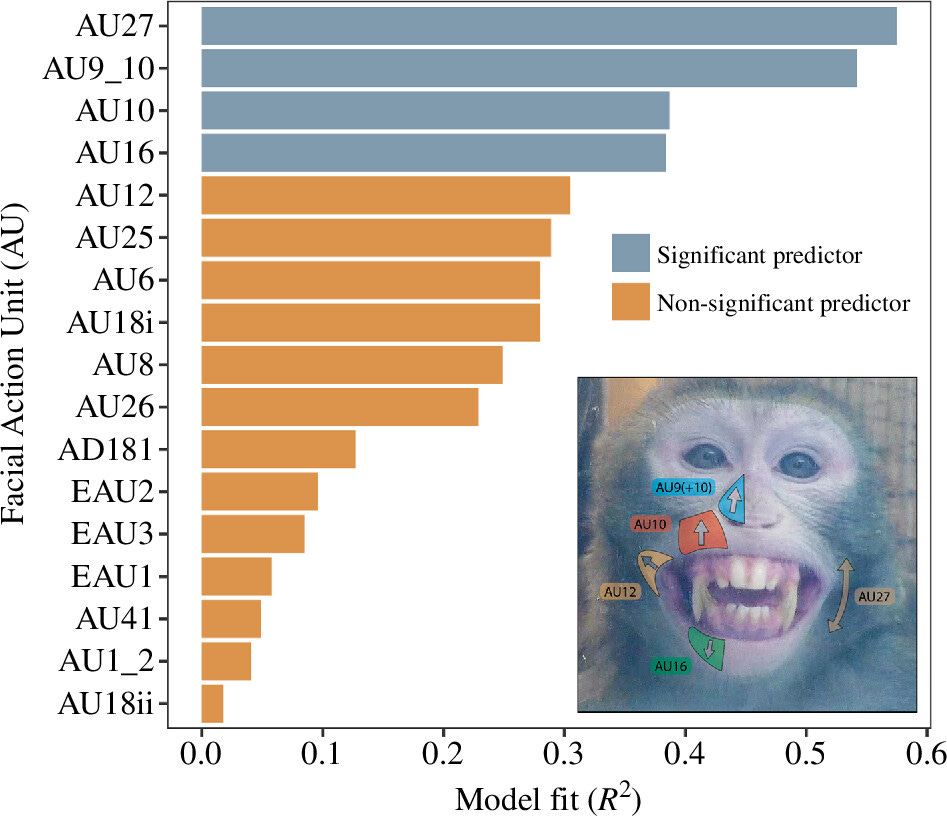
When considering the use of tools, from the smallest tailed monkeys of the Old and New Worlds to the largest apes such as chimpanzees, one can observe a vast array of learned behavioural patterns alongside episodic memory products and associated imaginative capabilities. The extension of this trajectory—marked by the increasing complexity of internal models and the effort to share these models with both contemporaries and future generations—ultimately paves the way for the emergence of a highly distinct species entering the fifth stage of computational architecture: Homos, or humans.
The final evolutionary stage of animal computational architecture manifests in the "reflective brain" system. This system has the capacity for virtual control over representations that can aid in manipulating and refining control processes. At this stage, the animal reinforces or neutralizes internal memory traces, known as engrams—stored within the hypothalamus—through external patterns referred to as "exograms." Language is the most significant exogrammatic form. In this system, exograms gradually evolve into primary tools for information processing, shaping cultural representations.
Cultural representations, which develop and propagate through memetics, adhere to the same principles of Darwinian evolution. Their compatibility with fundamental biological imperatives—such as energy extraction from the environment, risk mitigation, mating, and reproduction—increases their chances of survival and intergenerational transmission. Cultural representations are self-replicating phenomena. They are reproduced through eliciting general behaviours in their carriers, facilitating the spread of these representations to others. Occasionally, cultural representations undergo mutations, giving rise to new lineages. Most cultural items, whether mental or public, possess a vast and diverse array of immediate mental or public descendants.
Mental representations are phenomena present within information processing tools of the human individual. In contrast, public representations exist outside mental tools and can serve as inputs to be processed by these tools (such as an inscription). The most significant feature determining the contagiousness of a cultural representation is its degree and intensity of memorability. Cultural representations fall into two main categories:
A. Descriptive; for example, "Witches fly on brooms!"
B. Normative; for example, "Drink wine with fish!"
Cultural representations make the emergence of "belief" possible. Some beliefs are intuitive-experiential; individuals generate and transmit descriptive or normative propositions from lived, experiential contexts by engaging their body-mind in such situations. Other beliefs are reflective in nature; individuals adopt and retain them due to trust in a social authority (mother, ancestors, teacher).
The rise of beliefs, along with the creation of cultural representations over time, elevates human consciousness to such an extent that it allows for the conception of the notion of "destiny" and its transcendental implications.
At this complex computational stage, several fundamental transformations occur within the brain's structure, permanently distinguishing it from the neural architectures of earlier stages. These transformations, observed thus far exclusively in the brains of Homo species, have undergone localized expansions and contractions throughout the evolutionary journey to Homo sapiens.
Naturally, given the pivotal role of the prefrontal cortex in these transformations, culture and cultural representations have played—and continue to play—a central role in shaping the architecture of the latest computational brain design. These fundamental transformations in brain structure include:
Maximal expansion and advancement of the multimodal cortex,
Enlargement of multisensory cortical areas,
The brain’s self-representation capability,
The division of the brain into two hemispheres, with each hemisphere in the Homo genus specializing in distinct functions.
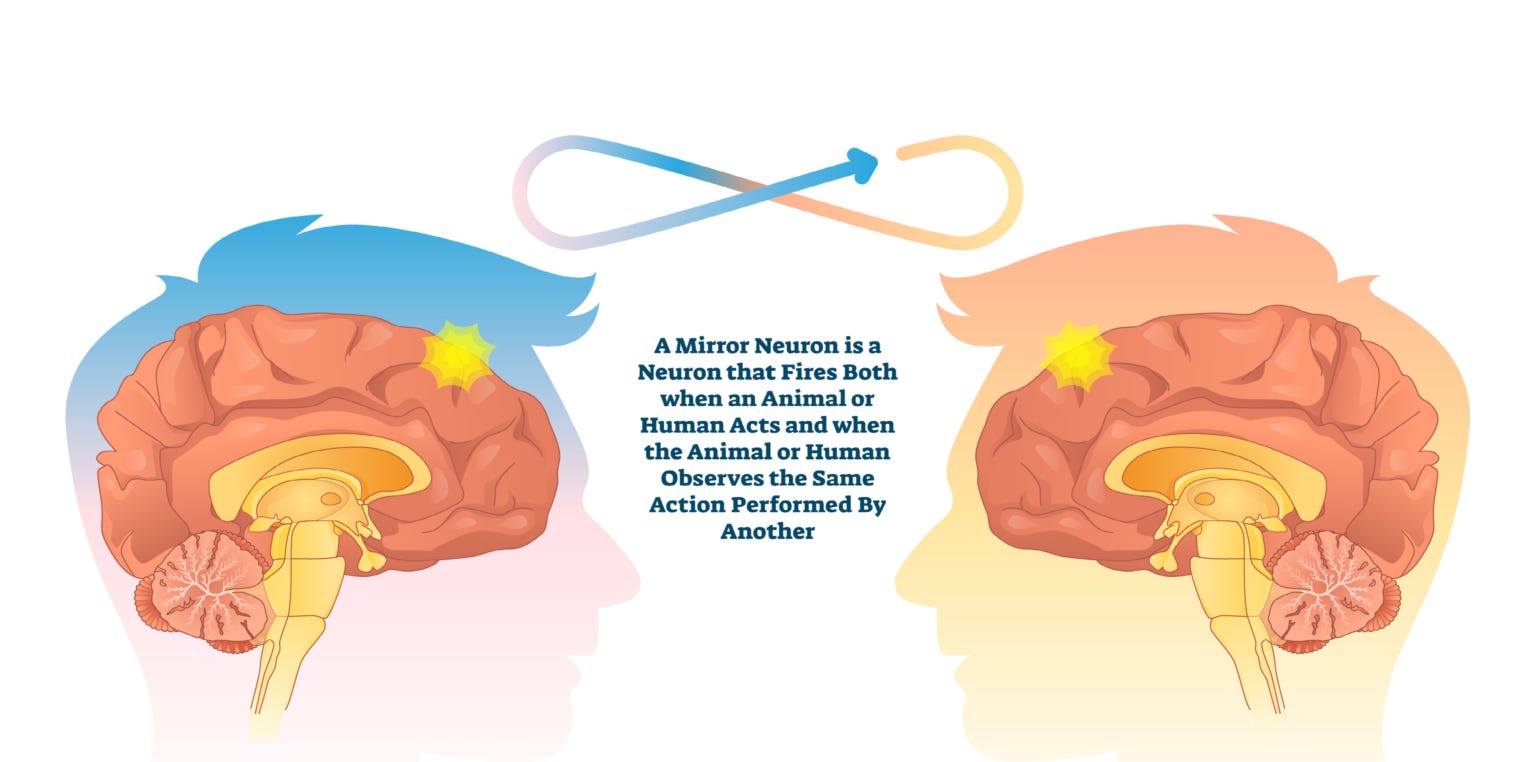
*The right hemisphere predominantly handles the real-time perception of ongoing events, integrating and synthesizing occurrences. Mirror neurons, which are significantly more abundant in the human brain compared to other mammals and are key to mimesis (imitation) and the transmission of embodied experiences, are primarily concentrated in this hemisphere.
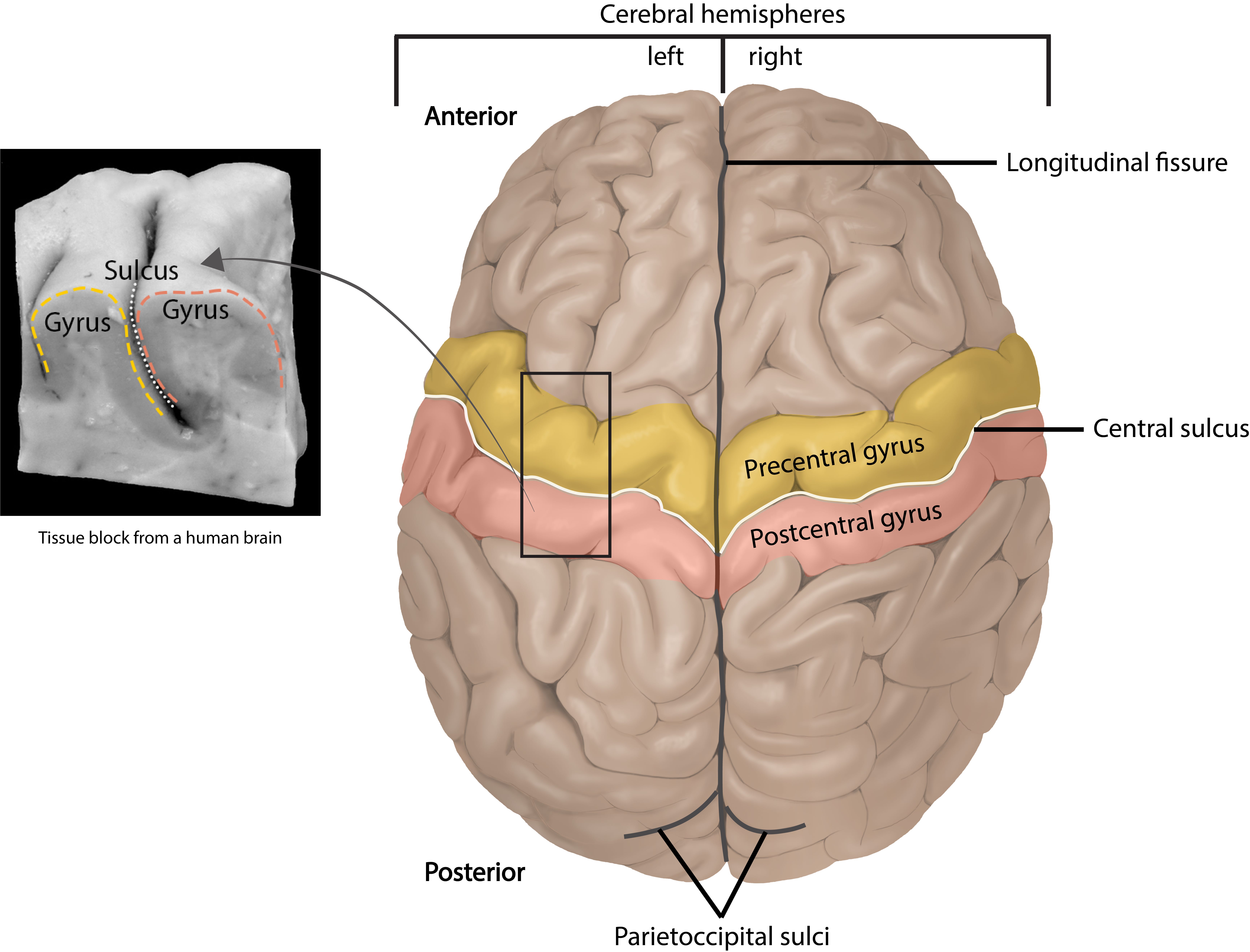
The left hemisphere, which includes Broca's area, is responsible for analyzing and processing information sequentially, allowing humans to excel as skilled hunters. Homo’s inclination towards tool use, modelling, detachment from the real world, and abstraction are among the primary capabilities derived from the left hemisphere. Human reliance on tools is one of the main reasons for the prevalence of "right-handedness." Brodmann areas 44 and 45 are present in the left hemisphere, at least in right-handed individuals, and are considered the definitive locus of linguistic ability.
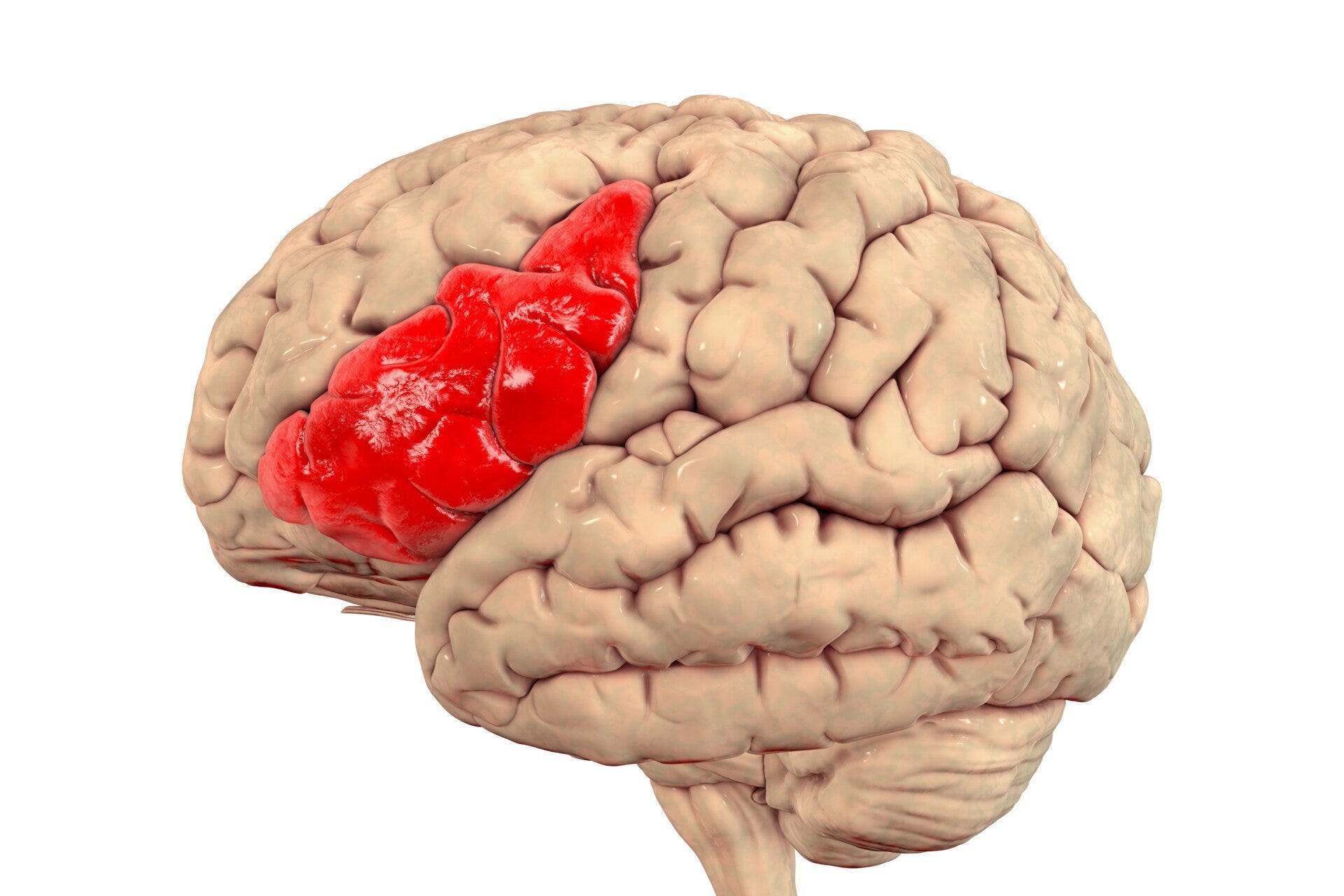
Broca’s Area
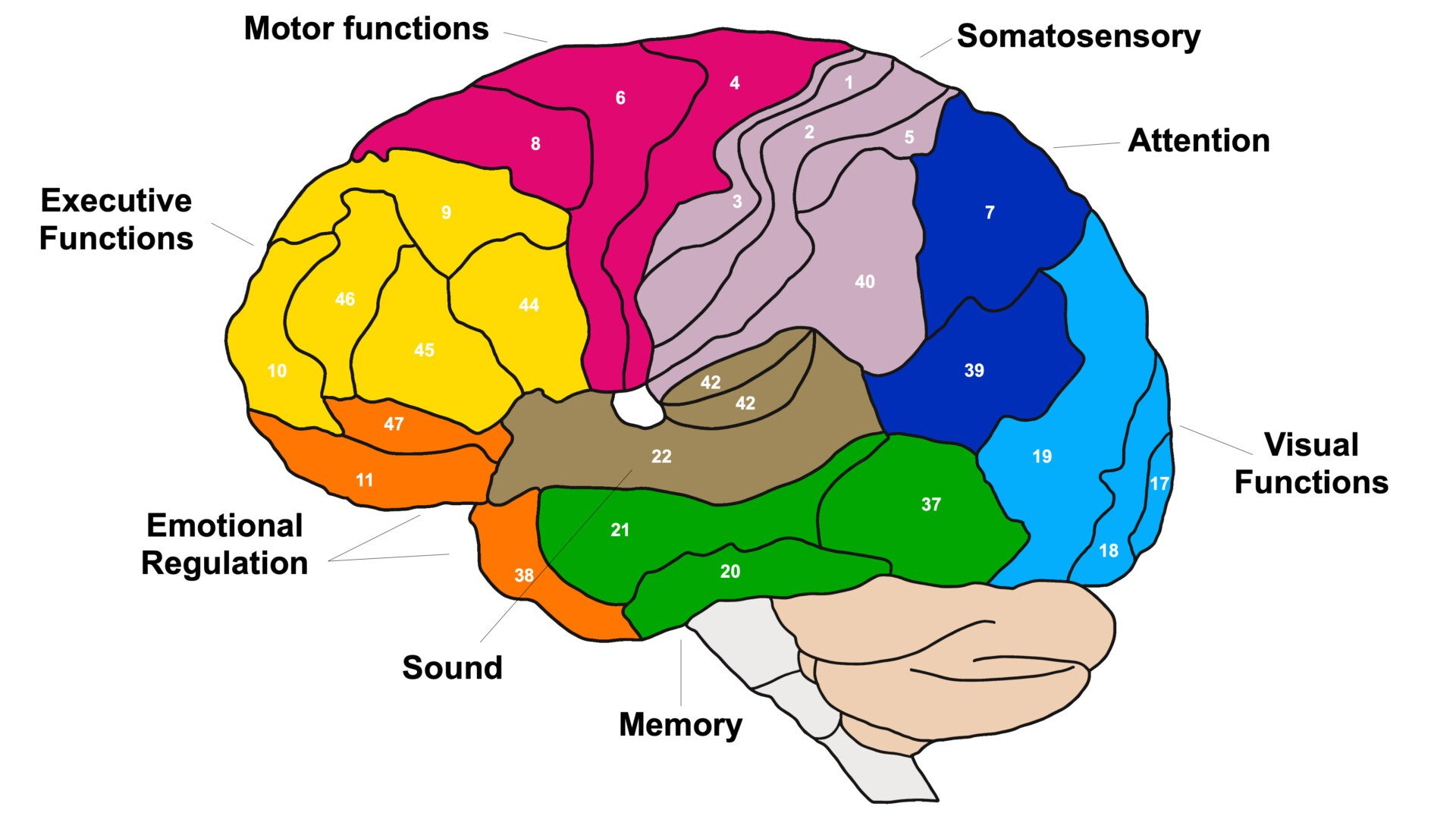
Brodmann Areas
In this context, the correlation between language and tools is a crucial topic that will be explored further in the upcoming sections. It is precisely the left hemisphere and its language-tool-related capabilities that propel human consciousness into entirely unprecedented stages.
Consciousness, initially a bodily phenomenon, entails having online awareness of being-in-the-world, which we share with others—for instance, the bodily perceived feeling that the sun revolves around the Earth. However, as soon as the contents of consciousness (self-representations) are abstracted offline, they become enveloped in halos of teleological and destiny-oriented meanings; a process that has decisively influenced the evolution of higher-level cultures and the emergence of more complex civilizations.
Meanwhile, the neocortex in humans benefits from the most specialized developmental regions. One prominent area is Area 10, which connects directly to the amygdala. This connection enables the extraction of meaning from experiences, the organization of mental contents, artistic creation, and foresight.
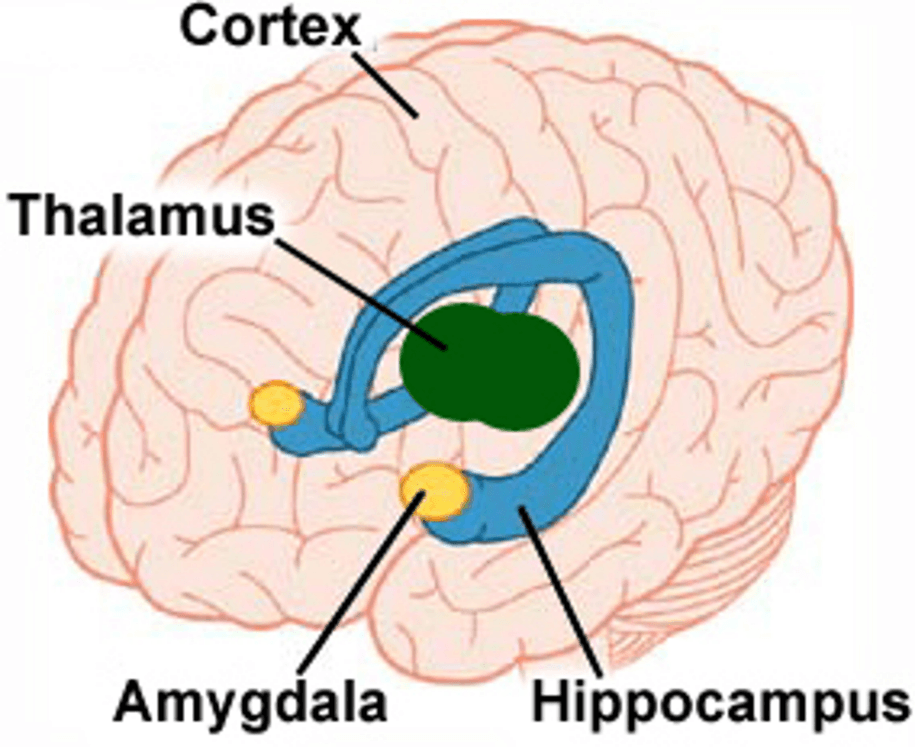
Below is a simplified sagittal section of the human brain. In addition to the control flow described in section d, virtual control representations are generated through computational operations within cerebral hemisphere structures, particularly in the frontal and orbitofrontal lobes. These representations can alter the control flow of information to enhance the execution of a specific task. This is the reflective or feedback flow that enables the human brain to modify and improve its computational architecture and information processing flow.
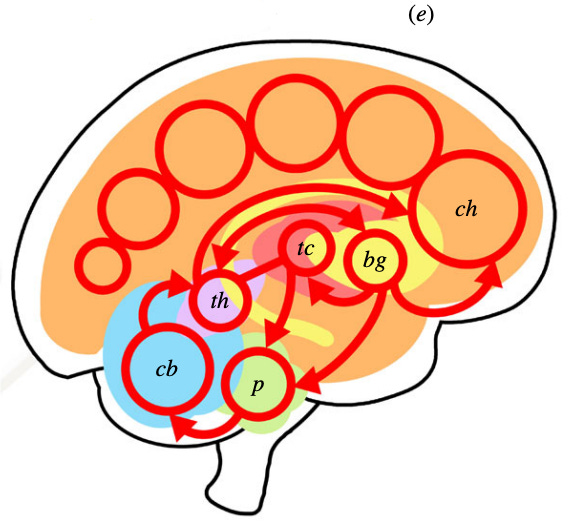
(Barron AB, Halina M, Klein C. 2023)
This new computational architecture, coupled with the brain's reconfiguration via exograms, enables symbolic representations, virtual offline communication, and a fundamental shift in learning. Now, the contents of imagination and memory are transferred externally in an enactive form, and the rational soul is generated through language. It is essential to note from the outset that language is not merely a communicative tool alongside other animal communication mechanisms; rather, it constructs and shapes the offline internal realities that do not necessarily have a one-to-one correspondence with external occurrences but can cast a shadow upon them.
This rational soul is precisely the Gregorian creature in Daniel Dennett’s conception. This creature is equipped with thinking tools—tools that endow thinkers with what Richard Gregory refers to as "potential intelligence." The Gregorian being possesses an environment well-equipped with cognitive tools, both abstract and tangible.
Series titles: